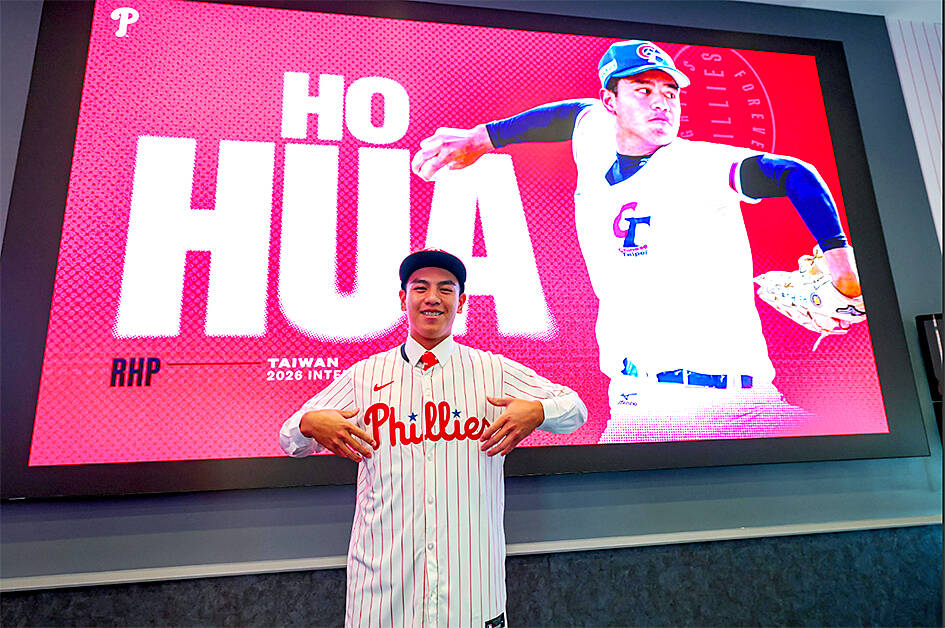
I was more referring to the slightly older Asian pitchers versus 16-year-olds than the percentage of money allocated to pitching. The lack of buscone systems also makes the Asian market a bit more transparent. Of course one pays for that with higher bonuses.
Clearly signing pitchers for small bonuses and hoping a few rise to the top has not been working that well since Sixto Sanchez. We get a few older arms that work - but are we getting more than other organizations and are we getting arms that really profile as potential stars?
In general though this is a way to push more money into amateur player allocation and a dollar spent there is more than 10 times as important as a dollar spent on the major league roster. It is harder to do this in the domestic draft with few traded picks than the international system. And while you talk about the prospects we traded as being in the 40-100 range, I see them largely as non-prospects or certainly players not necessarily better than on the minor league free agent market (which is more robust now than it used to be because of roster limits).
I think this may be more of a concerted strategy than you think. The Asian push is a push into countries with a bit more transparency and thus a bit less risk than the Latin American market short of a draft. So it is a type of Moneyball strategy. Just a new one that might go away with an international draft.